
Mithali was only eight months old when she got diagnosed with Thalassaemia major. Hailing from a remote town in India, she often had to commute staggering hours for her treatment. As part of her treatment, Mithali had to undergo regular blood transfusions every two-three weeks. This had become an interminable routine for her, and such monotony made her feel unmoored. At school, she felt different from others and couldn’t find time for her peers or education due to appointments. This continued as she grew older, impacting her employment opportunities. Her disease had imbued her with melancholy and anxiety for the uncertain future. Her treatment only served as a poignant reminder of her isolation from the “normality” she so dearly craved. Such arbitrariness had ruthlessly invaded her life, and she had no option but to capitulate.

“Mithali” might not be a real person, but her story resonates with many. Thalassaemia affects millions across the world, and yet it remains relatively underrepresented. In India, over four million individuals suffer from this disease. Exonerating the world from Thalassaemia certainly isn’t as insurmountable as it sounds, with the greatest adversary only being a stark lack of awareness and precautionary measures. This article attempts to explore not only the underlying medical problem but also the unsolicited side effects that come with it.
What is Thalassaemia?
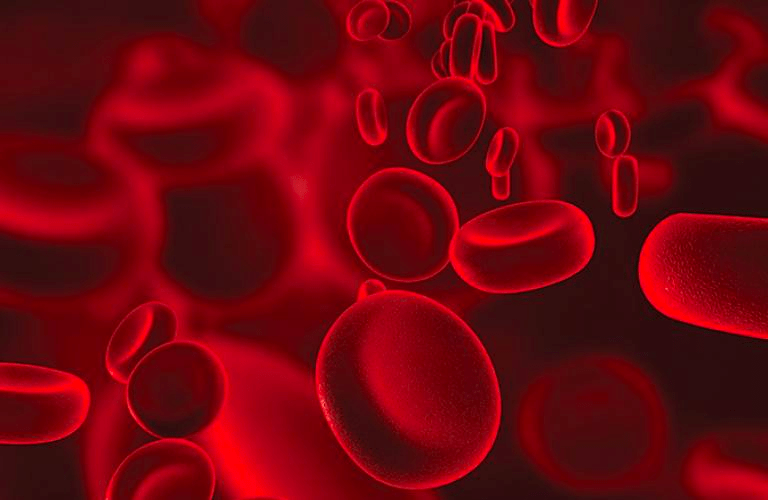
Simply put, Thalassaemia is an inherited blood disorder in which the body makes abnormal form of haemoglobin, which transports oxygen around the body. This condition significantly affects the red blood cells, leading to Anemia. Thalassaemia is most common in Asia, the Middle East, Africa, and Mediterranean countries such as Greece and Turkey. Having the thalassaemia trait as a parent, or being a carrier, can result in its genetic mutation. There are two main forms of Thalassaemia- alpha Thalassaemia and beta Thalassaemia. Thalassaemia minor is less serious and can be tested through a special blood test known as haemoglobin electrophoresis. The main health conditions that occur as a result of Thalassaemia include anaemia, excessive iron, delayed growth and fragile bones. It is important to note that sometimes symptoms tend to show up later in childhood or adolescence.
Treatment
People with Thalassaemia usually require lifelong treatment.
Blood transfusions
Regular blood transfusions are required to treat anaemia. Taking a few hours, it usually involves being given blood through a tube inserted into a vein in the arm. How frequently these are needed could vary from every 14-16 days to just occasionally, solely depending on the type of Thalassaemia.
Chelation therapy
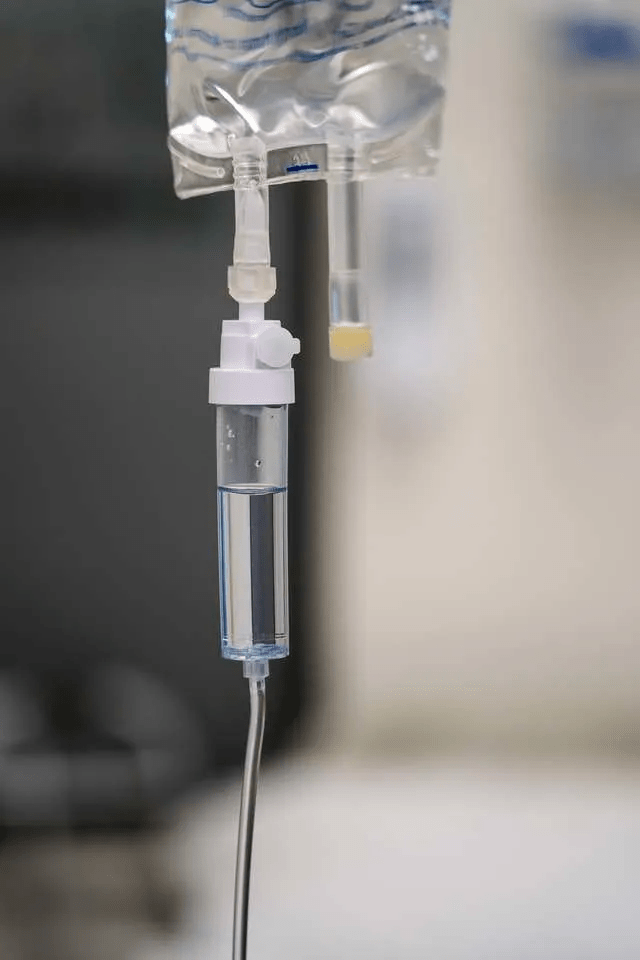
Blood transfusions, albeit safe, can result in an excess of iron in the body which has the potential to damage organs. Treatment to remove excess iron caused by regular blood transfusions is known as chelation therapy. The chelating drug used is called Desferal, which requires a syringe pump in most cases.
Stem cell & Bone marrow transplants
For a stem cell transplant, stem cells from a healthy donor are given through a drip into a vein. This results in the production of healthy red blood cells which can then replace the affected ones in the body.
There may be treatments in addition to the ones aforementioned depending on the individual and accessibility. This can include regular heart monitoring, vaccinations, bisphosphonates, or hormone medicine for children.
Living with Thalassaemia
Patently, living with Thalassaemia certainly isn’t ideal. Apart from the physical complications (such as being prone to heart-related problems, iron overload, and infection), it becomes important to acknowledge the psychological impact. Patients with Thalassaemia often suffer from depression or some sort of anxiety. Denial, decreasing self-esteem, isolation, helplessness, frustration, and somatisation are common distresses in the patients amongst others. It’s only fair to note that the treatment might not be easy and tranquil for everyone. Frustration can stem from the need for regular blood transfusions, body image disorders, lower life expectancy, being treated differently and having to take regular leaves. Chelation therapy, itself, isn’t plain sailing. For some patients, having to commute regularly for their treatment isn’t feasible, not to mention the high costs in certain places.
Psychological problems might not be the most important for Thalassaemia patients, but they certainly burden the prodigious amount of physical as well as socio-economic challenges.
Is there hope?
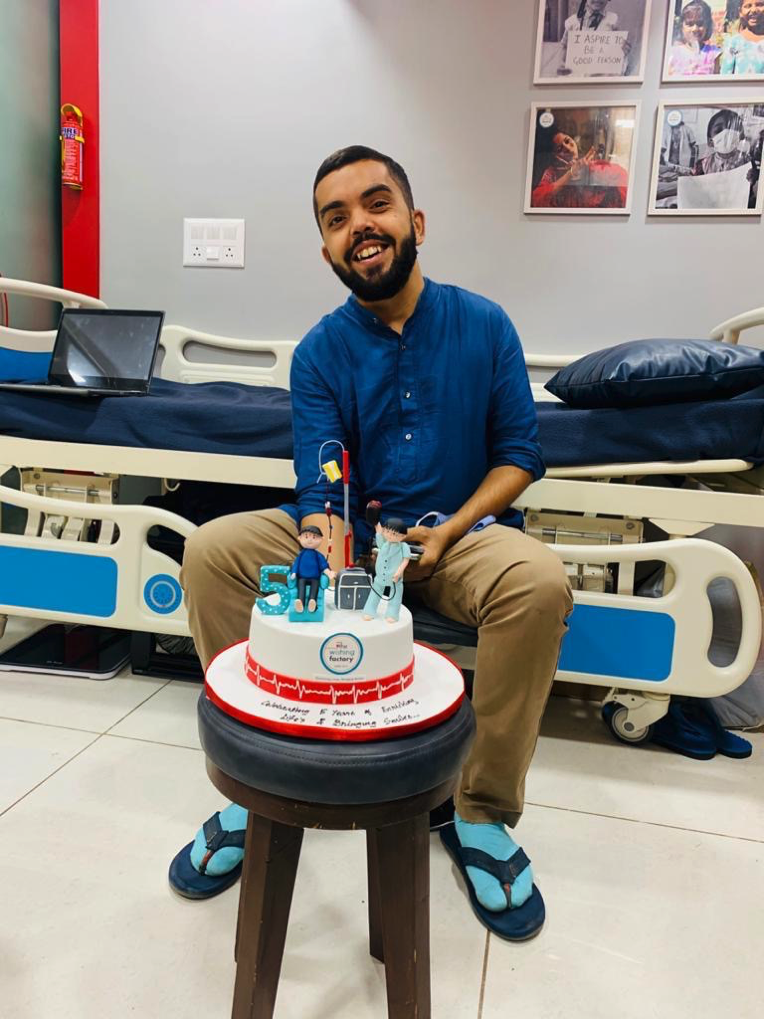
-Founder of TWF
Destiny is crafty, and it certainly was in Partth Thakur’s case. His parents had undergone a series of tests, including the test for Thalassaemia which came out negative. After three months, Partth was diagnosed with Thalassaemia major. At the age of 19, he started his own NGO- The Wishing Factory. The organisation works with young and underprivileged Thalassaemia patients and aims to improve their overall quality of life. Partth started wellness centres and blood transfusion centres across the country, along with awareness campaigns and talks at colleges. Wishing Factory’s Thalassaemia wellness centres provide patients with affordable healthcare facilities, essential in helping those from economically backward sections. During COVID-19, Partth launched the campaign ‘Ulta Hoke Thalassaemia Roke’ which funded the blood transfusion of 100 patients belonging to low-income groups. Their group-effort has been significant in making “Thalassaemia Mukt Bharat” feasible by encouraging screening tests and blood donations. Organisations like TWF corroborate that there is hope, and that it’s not elusive anymore.
Hope
There is hope.
There is hope in every rancid reminder of reality,
There is hope in every doubt acting as your adversary.
There is hope in every dwindling breath,
There is hope in eyes like flickering glim.No prayer is insurmountable,
No gash is colossal.
With one step at a time,
The bleakest of nights shall hide.Make a wish,
Make a promise,
Or make a sacrifice
To be honest
Under duress;
No one told you to be stoic.Like dominoes cascading down a landslide,
With these rocks,
You build a planet,
And leave legacies behind.One step away,
Lies an appendage
Of the reel you’re yet to play;
And here’s the best bit-
You decide the film.Just as there is hope in the stars and the moon,
There is hope in the unknown.There is hope in you.
-Poem by me (Myiesha)
References
The wishing factory: https://thewishingfactory.org/
Study of psychological impacts
https://www.healthline.com/health/thalassemia#diet
https://www.nhs.uk/conditions/thalassaemia/
https://silence-therapeutics.com/patients/thalassemia/living-with-thalassemia-the-impact-on-daily-life/
 The Barbaric Yawp
Leave a comment